Beginner EDC Loadout: A Smart Starter Kit (2026)
TrailKit is reader-supported. We may earn a commission from links on this page at no cost to you.
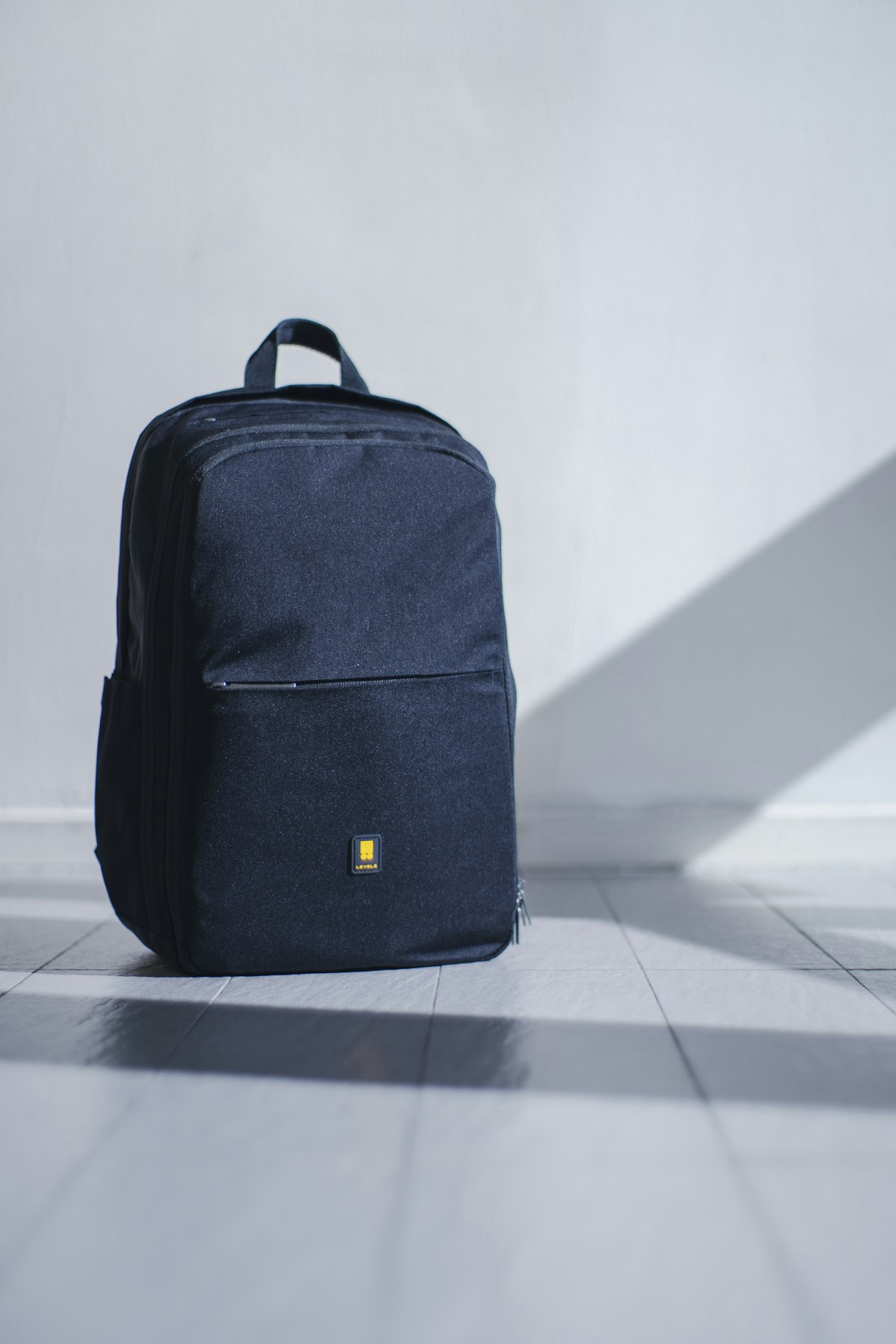
Everyday carry — EDC — just means the small set of useful things you keep on you every day. It’s easy to fall down a rabbit hole of $300 knives and titanium everything, but a great beginner EDC loadout is simple and cheap. This guide covers the five essentials, what to buy first, and sensible budget picks so you can build a kit that actually earns its pocket space in 2026.
The philosophy: carry what you use, not what looks cool
Before any product talk, the single most useful principle in EDC: your loadout should be built around the tasks you actually run into, not the gear that looks impressive online. The person who carries a modest knife and a cheap flashlight they use every day has a better loadout than the person with a drawer of expensive gear they’re afraid to scratch.
That’s the lens for everything below. Every item here earns its spot by pulling real weight in a normal day — not by spec-sheet bragging rights. Start minimal, pay attention to what you reach for, and let your carry evolve from use rather than hype.
The five EDC essentials
Almost every loadout, no matter how elaborate, comes back to five things:
- A knife — opening boxes, cutting cord, food, a hundred small tasks.
- A flashlight — phones make bad flashlights; a real one is a quiet daily upgrade.
- A wallet — slimmer is better; you carry it every day.
- A pen — for the moments a phone won’t do.
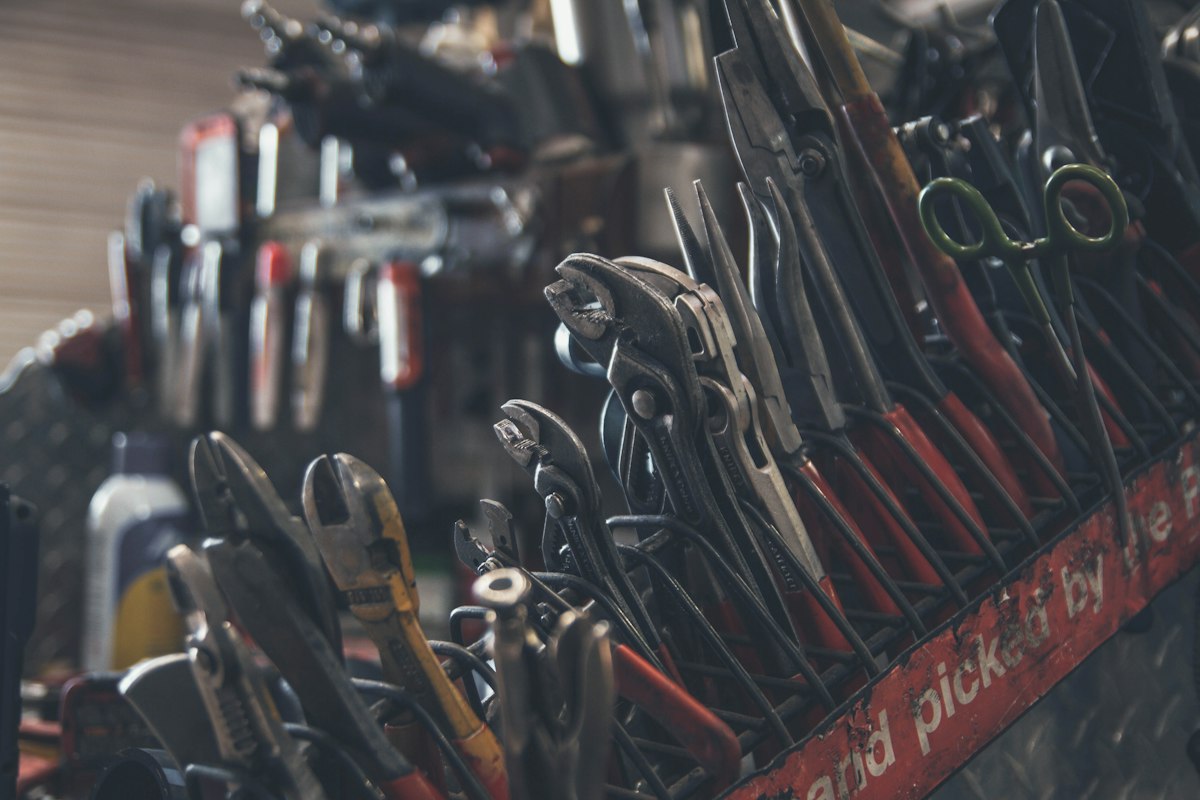
- A multitool or keychain tool — pliers, drivers, scissors when you need them.
Start here. Add specialty items (watch, notebook, first-aid) later, only if you’ll actually use them.
What to buy first
If you’re starting from zero, prioritize in this order: knife → flashlight → wallet → pen → multitool. A blade and a light deliver the most usefulness per dollar and per gram. Don’t buy all five at once — carry one new item for a week, see if you reach for it, then add the next. The fastest way to waste money on EDC is buying gear you think you should carry instead of gear you do use.
This one-at-a-time approach also teaches you your own preferences cheaply. You might learn you love a light but never touch a pen, or that a keychain multitool covers everything you thought you needed a knife for. Better to discover that over five weeks and $120 than in one $400 splurge.
The pocket knife
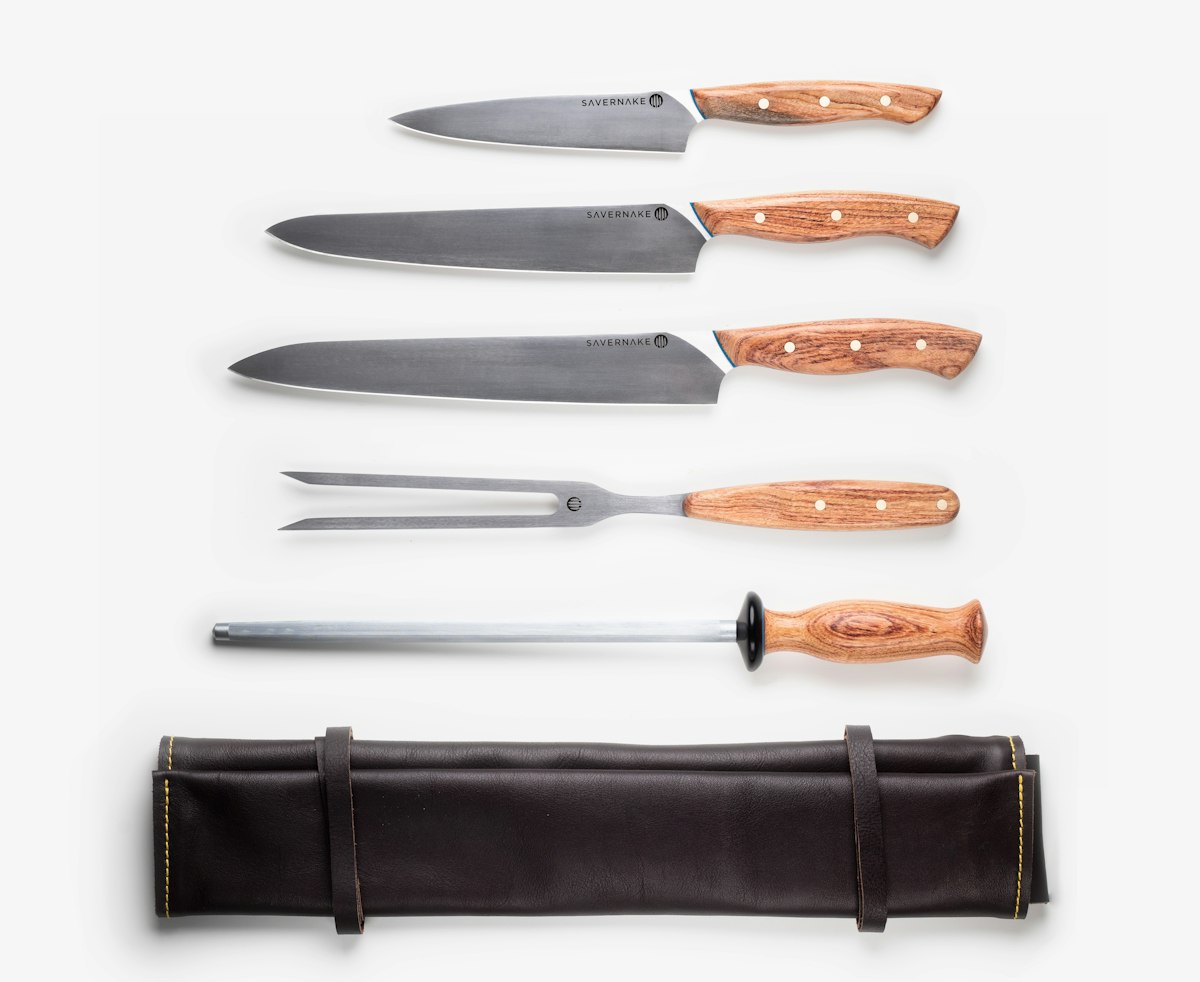
For a first knife, get something legal in your area, comfortable, and easy to sharpen — not the most expensive “super steel” on the forums. A budget-friendly steel like 8Cr13MoV or 14C28N is more than enough and easy to maintain. Before you buy, skim our EDC knife steel guide so you understand the trade-offs. Then browse budget EDC folding knives.
A first knife’s job is to teach you what you like: blade shape, opening style, clip position, whether you want a locking mechanism. Buy modestly, carry it daily, and your second knife purchase will be far better informed.
Check your local laws. Blade length limits, locking mechanisms, and carry rules vary by city and country. Knowing your local rules is your responsibility before carrying any knife.
The flashlight
A small rechargeable flashlight is the EDC item most people are surprised they love. Look for USB-C charging, a pocket-clip body, and a few hundred lumens — plenty for walking the dog, finding something under the car seat, or a power outage. We round up specific picks in best budget EDC flashlights, or start with the category here: EDC pocket flashlights.
Of all five items, the flashlight is the one newcomers most often say “I can’t believe I carried a phone light for so long” about. It’s cheap, it’s genuinely useful weekly, and it’s a low-stakes first purchase.
The wallet
If you’re still carrying a bifold stuffed with receipts, a slim cardholder is the easiest comfort upgrade in this list — less bulk, less back-pocket strain. Aluminum and leather minimalist wallets both work; pick based on whether you carry cash. See minimalist EDC wallets.
The pen and the multitool
A compact metal pen that takes Fisher Space Pen or Parker refills writes anywhere and lasts for years — browse EDC pens. Round out the kit with a small multitool or keychain tool for pliers and drivers; a budget pick like the Leatherman Wingman or Gerber Dime covers most fixes without weighing you down.
A sample starter loadout
| Slot | What to look for | Why it’s first-kit worthy |
|---|---|---|
| Knife | Easy-to-sharpen steel, comfy handle, legal locally | Most-used tool, low cost of entry |
| Flashlight | USB-C, pocket clip, ~few hundred lumens | High daily usefulness |
| Wallet | Slim cardholder, RFID optional | Comfort upgrade you carry daily |
| Pen | Metal body, standard refill | Reliable, lasts for years |
| Multitool | Spring pliers, scissors, drivers | Covers the odd job |
A realistic beginner budget
You do not need to spend a lot. A sensible, quality starter kit looks roughly like this:
- Knife: $25–40 for a solid budget folder.
- Flashlight: $20–50 for a USB-C pocket light.
- Wallet: $20–40 for a slim cardholder.
- Pen: $15–30 for a metal-body EDC pen.
- Multitool: $30–60 for a Wingman, or ~$20 for a Gerber Dime keychain tool.
That’s a genuinely good five-piece loadout for well under $150 if you shop the value end — and you can spread it across a few paychecks by buying one item at a time.
Common beginner mistakes
- Buying all five at once. You’ll end up carrying gear you don’t use. Add one item at a time.
- Overspending on a first knife. Expensive “super steel” is wasted on a beginner who hasn’t learned their preferences. Buy modest, upgrade later.
- Chasing the “perfect” setup online. The best loadout is discovered through use, not copied from a forum photo. Yours will look different from anyone else’s.
- Ignoring local laws. A knife that’s legal in one city may not be in another. Always check before you carry.
- Carrying redundant tools. A full multitool and a dedicated knife and a keychain tool is often overkill for a beginner. Start lean.
FAQ
What is an EDC loadout? It’s the specific set of items you carry every day — typically a knife, flashlight, wallet, pen, and a multitool — chosen to handle common everyday tasks without overpacking.
How much should a beginner spend on EDC gear? You can build a solid starter kit for well under $150 total. Buy one item at a time, choose budget-friendly options, and upgrade only the pieces you find yourself using hardest.
Is it legal to carry a pocket knife every day? It depends entirely on where you live — blade length, lock type, and carry rules vary by city and country. Check your local laws before carrying, and when traveling, check the rules at your destination.
Do I need a knife if I carry a multitool? Not necessarily — a multitool’s blade covers light cutting, and for many beginners that’s enough. If you cut things often, a dedicated knife is more comfortable and cuts better. Try one before adding the other.
What should I add after the five essentials? Only what you’ll use: a watch, a small notebook, a mini first-aid kit, or a pocket organizer to corral it all. Add based on your actual daily tasks, not a checklist.
How do I carry all this without bulging pockets? Distribute it: knife and light clipped in front pockets, slim wallet in a front pocket, pen clipped to a pocket or bag, and keys with a key organizer. If it still feels like too much, a small pocket organizer moves the odds and ends into your bag so your pockets stay light.
Is EDC just for men, or for anyone? It’s for anyone. The five essentials — something to cut, see, pay, write, and fix with — are useful regardless of who’s carrying them. Bag-based or purse-based carry works just as well as pocket carry; the principle of carrying what you actually use is universal.
Takeaway
A great beginner EDC loadout is small, cheap, and built around five essentials: knife, light, wallet, pen, and a multitool. Buy in that order, add items one at a time, and keep only what you actually reach for. The goal isn’t the most gear — it’s the right gear, quietly making your day easier.